Note kindly supplied by Arthur Chater, a former colleague of the compiler at the Natural History Museum, September 2025.
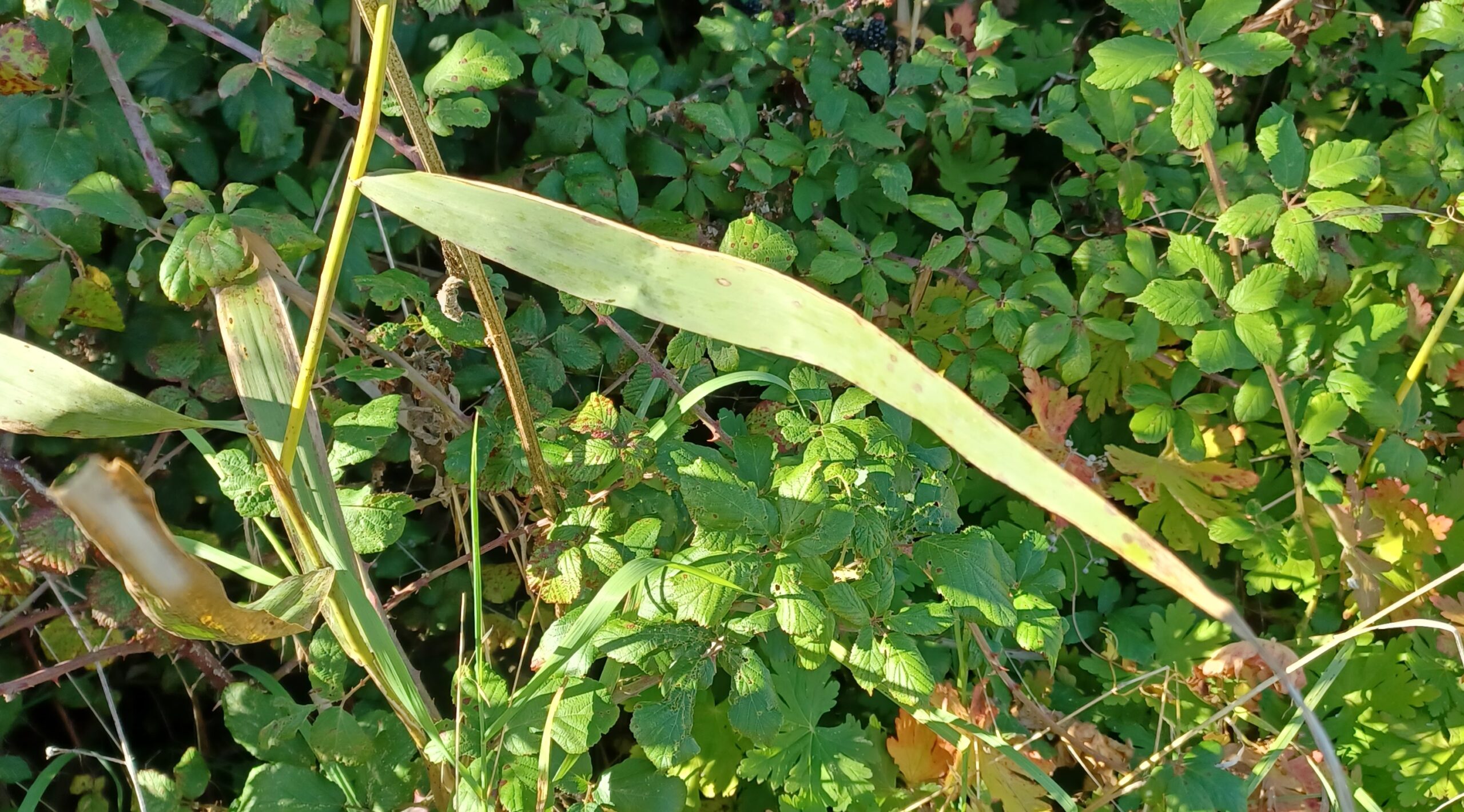
‘I wonder if you know about the Devil’s tooth marks? Every leaf of Phragmites [common reed] has a slight ripple or trace of a fold across it a third or a half way up. (The only other grass to have this is Cynodon dactylon [Bermuda grass]). No flora or other book apart from Poland’s Vegetative Key,* seems to mention this and I not sure why it forms. Long ago I heard an explanation, but I have no idea where, or from whom. God and the Devil had a competition to see who could create the biggest grass. The devil created Phalaris [reed canary-grass] and was very pleased with himself. But God then created Phragmites, and the Devil was so angry that be bit the leaf, and ever since each leaf of Phragmites has had the tooth marks.’
* John Poland & Eric Clement, Vegetative Key to the British Flora, ed. 2, 2020.
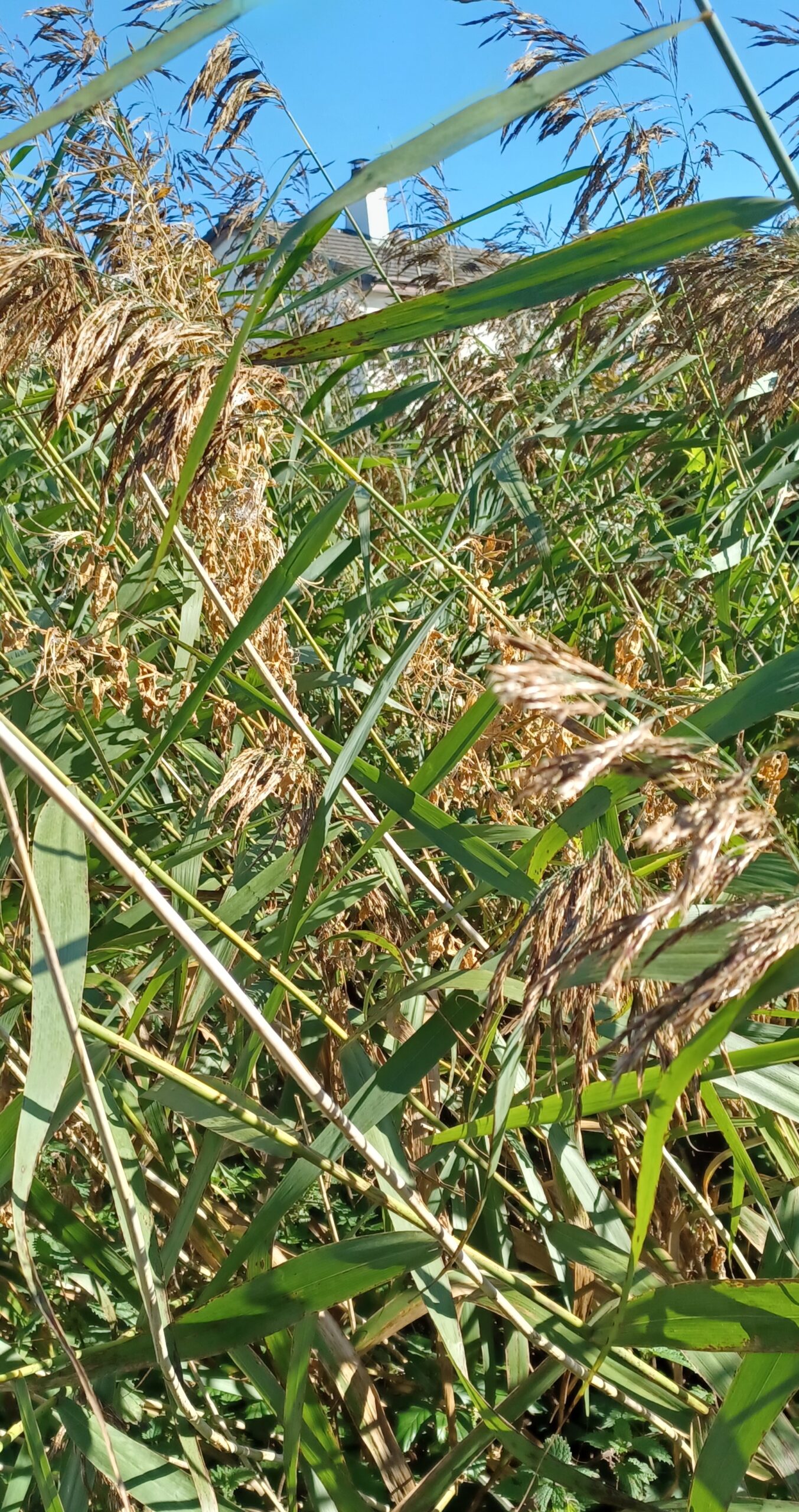
Images: Urswick Tarn, Cumbria, September 2025.
1 October 2025.
 DISCLAIMER: The cures and other uses on this site are recorded as they were received.