 1. As explained on an earlier post, sometimes searches produce no results because the name used by the searcher has been misspelt, for example ‘daffadil’ instead of ‘daffodil’. So please try to ensure that you’ve spelt the name correctly, and, when possible, if the English name does yield results, try using the scientific (‘Latin’) name.
2. Information included on the Local Names page will not appear when a general search has been made, so a separate search, using the page’s search-box is required. If this is done and the plant is included on the page a list of its local names, with explanations where known, should appear.
3. Most of the information provided on the website relates to British and Irish plants, so it’s unlikely that searches made for exotic, tropical species will be successful.
4. Only a small proportion of the information held in the Archive is displayed on the website; enquirers are invited to contact the compiler – roy@plant-lore.com – for further information.
5. One of the website’s primary aims is to collect additional material on the folklore and traditional uses of plants, so if you can provide any information, no matter how widespread and common you consider it to be, please send it to the compiler. Thus we can get a better understanding of the distribution of beliefs and practices. Although it’s not possible to add everything received to the website, everything will be added to our records and be available to others on request.
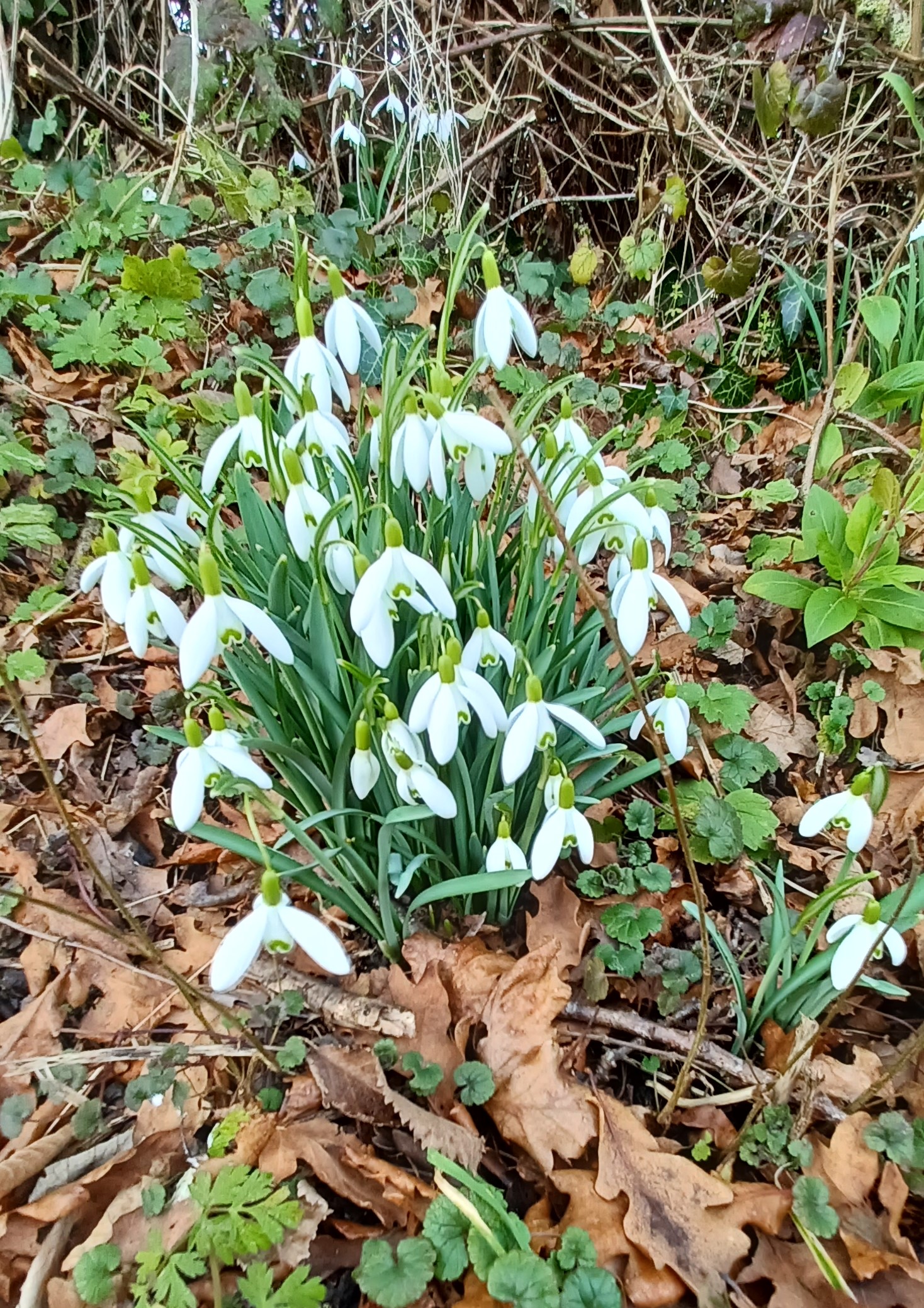
Image: snowdrop, Galanthus nivalis, St Mary’s, Buttsbury, churchyard, Essex, February 2025; for which c.30 names are listed on the Local Names page.
 DISCLAIMER: The cures and other uses on this site are recorded as they were received.